1. Reduce Labor Costs
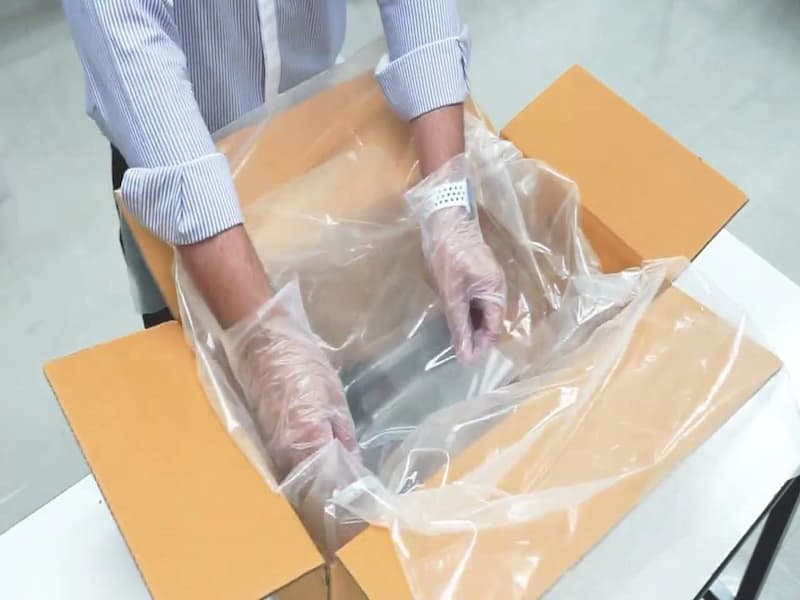
Labor costs are one of the biggest challenges for manufacturers. Manual bagging requires workers to repeat the same process every day, including:
- Handling products
- Opening bags
- Filling bags
- Sealing packages
An automatic bagging machine can reduce repetitive manual work and allow employees to focus on other production tasks. For companies with high production volumes, automation can provide significant long-term savings.
2. Improve Packaging Efficiency
Production speed is another important factor. Compared with manual packaging, an automatic bagging system can:
- Maintain stable operation
- Reduce waiting time
- Support continuous production
This is especially important for manufacturers that need to process hundreds or thousands of packages every day.
3. Achieve More Consistent Packaging Quality
Packaging appearance affects customer perception. Manual packaging may have differences in:
- Bag position
- Sealing quality
- Product arrangement
Automatic packaging equipment provides a more consistent process, helping companies maintain professional packaging standards.
4. Support Business Growth
Many companies start with manual packaging because production volume is small. However, as business grows:
- Orders increase
- Customer requirements become higher
- Delivery time becomes shorter
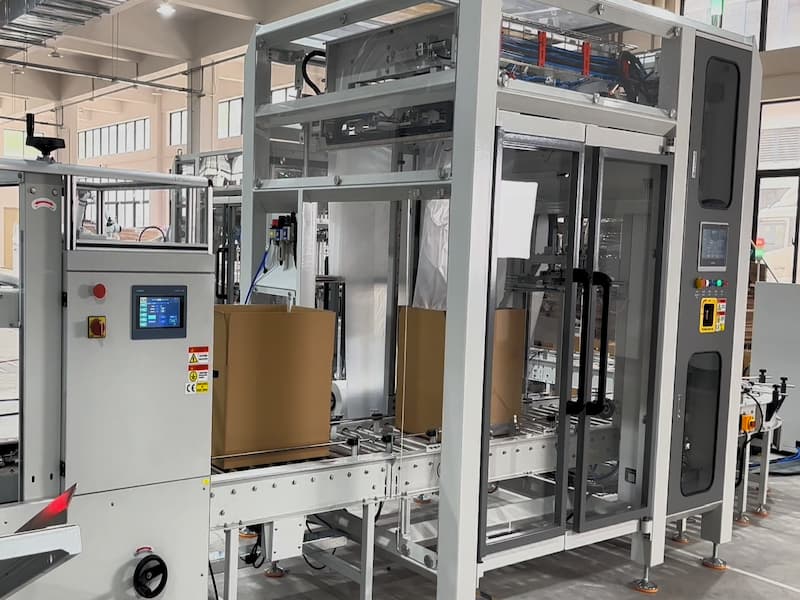
Manual packaging can become a production bottleneck. Automatic Box Liner Insertion Machine provides a scalable solution that supports future expansion.

How to Decide If You Need an Automatic Bagging Machine?
Consider automation if your company:
✅ Packages a large number of products every day
✅ Has increasing labor costs
✅ Needs consistent packaging quality
✅ Plans to expand production capacity
✅ Wants to build a complete packaging automation system
How Does an Automatic Carton Liner Insertion System Fits Into a Complete Packaging Line?
An Automatic Box Liner Inserter can be integrated with other packaging equipment, including:
- Conveyor systems
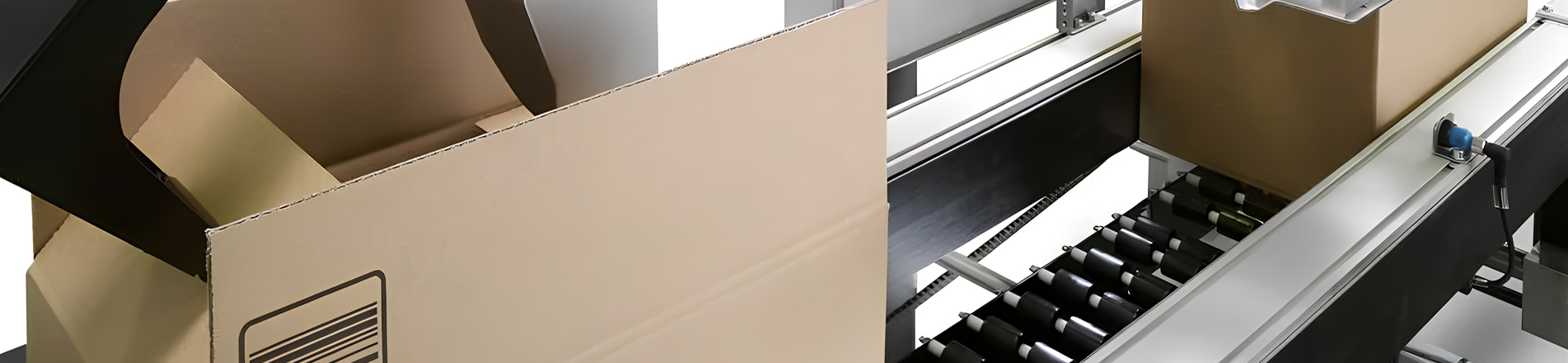
- Automatic carton erectors
- Carton sealing machines
- Labeling machines
-Weighing machines
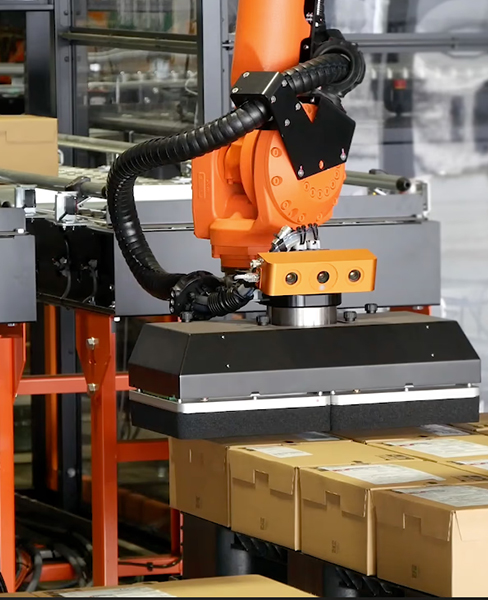
- Palletizing systems
Together, these machines create a complete: End-of-Line Packaging Automation System
This helps manufacturers achieve a smoother, faster, and more efficient production workflow.
Manual bagging may still work for small production requirements, but many manufacturers are moving toward automation to improve efficiency and reduce long-term costs. By choosing the right packaging automation solution, manufacturers can build a more efficient and competitive production line.